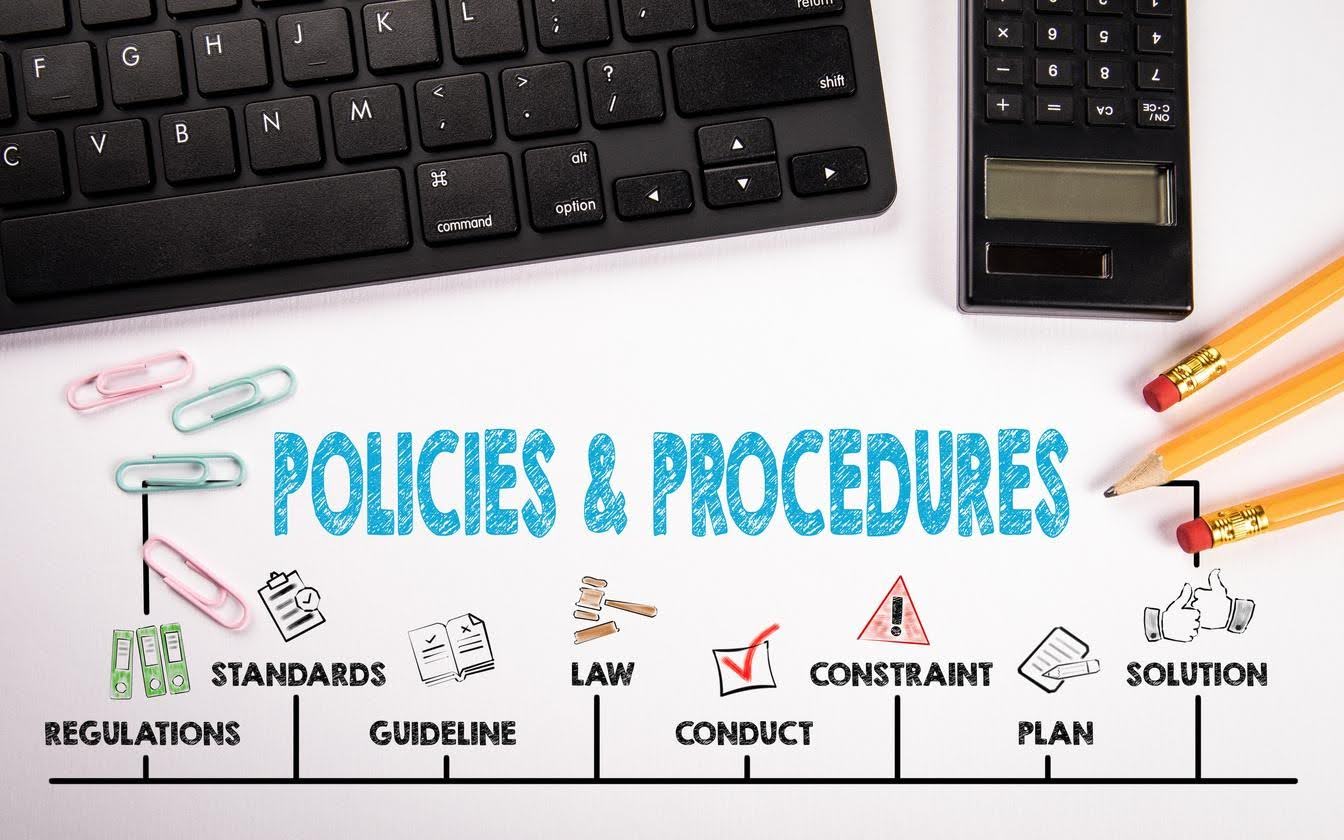
Creating a policy and procedure manual is one of the most important steps in building a healthcare agency that operates with clarity and consistency. Many providers know they need one, but aren’t always sure what it should actually include or how detailed it needs to be. Without a well-structured manual, staff may rely on assumptions or inconsistent practices, which can lead to confusion and compliance risks.
A strong manual is not just for inspections. It is a practical guide your team uses every day. It helps standardize care, align staff expectations, and support regulatory compliance. With the right structure and guidance from a Healthcare Consulting Agency, your manual becomes a reliable foundation that supports both your operations and the quality of care you provide.
Why Your Manual Matters More Than You Think
A policy and procedure manual does more than outline rules. It defines how your agency functions on a daily basis and ensures that everyone follows the same standards. This is especially important in healthcare, where consistency directly affects patient outcomes and safety.
From experience, agencies with well-developed manuals tend to operate more smoothly and handle challenges with greater confidence. These manuals also make onboarding easier because expectations are clearly documented from the beginning. Over time, they become a key part of maintaining both compliance and trust within your organization.
Core Administrative Policies to Include
Administrative policies guide how your agency is managed behind the scenes. They create structure and help ensure that leadership, staffing, and daily operations are handled consistently. Without these policies, it becomes difficult to maintain accountability and organization.
A strong administrative section often includes
• Organizational structure and leadership roles
• Employee hiring, onboarding, and termination processes
• Staff training and performance expectations
• Record keeping and documentation standards
These elements help create a stable foundation that supports both your team and your long term operations.
Clinical and Patient Care Procedures
Clinical procedures are at the center of your manual because they directly affect how care is delivered. These guidelines ensure that every patient receives consistent and safe services, regardless of who is providing care. They also give staff clear direction on how to respond in both routine and unexpected situations.
Your clinical section should outline care protocols, patient rights, and safety measures in a way that is easy to follow. Many providers seek consulting for home health agency operations to ensure these procedures are both practical and compliant. When written clearly, this section becomes one of the most used parts of your manual.
Compliance and Regulatory Requirements
Your manual must reflect the regulatory standards required by both state and federal agencies. This includes policies related to patient privacy, reporting, and safety protocols. Without clear compliance guidelines, your agency may face challenges during inspections or audits.
Providers often look for healthcare business licensing support to ensure their manuals align with current requirements. This is especially helpful when preparing for surveys or expanding services. Clear and accurate compliance policies help your team stay aligned with expectations at all times.
Emergency and Risk Management Procedures
Every healthcare agency must be prepared for unexpected situations, and your manual should clearly outline how to respond. Emergency procedures help staff act quickly and appropriately when issues arise, whether it involves patient safety or operational disruptions. Without these guidelines, response times can be delayed and outcomes may be affected.
This section should include clear steps for handling emergencies, reporting incidents, and managing risks. Agencies that work with home health licensing consultants often strengthen this area by aligning procedures with regulatory expectations. Preparation in this area supports both patient safety and staff confidence.
Making Your Manual Practical for Daily Use
A policy manual should be easy for your team to use in real situations. If it is too complex or difficult to access, staff may not rely on it when they need it most. The goal is to create a resource that supports daily work, not something that feels overwhelming.
Effective manuals are
• Written in clear and simple language
• Organized into easy-to-find sections
• Accessible to all staff when needed
• Reviewed and updated regularly
Providers who work with a home healthcare agency consultant often improve how their manuals function in real-world settings. This leads to better consistency and stronger day-to-day operations.
Keeping Your Manual Updated as You Grow
As your agency grows, your policies and procedures need to evolve as well. Changes in regulations, services, or staffing can all affect how your organization operates. Regular updates ensure that your manual continues to reflect current practices and expectations.
Agencies that review their manuals regularly tend to adapt more easily to change. This includes updating outdated procedures and making sure staff are aware of any revisions. Treating your manual as a living document helps maintain both compliance and efficiency over time.
Creating a Strong Foundation for Your Agency
A well-developed policy and procedure manual gives your healthcare agency structure, clarity, and confidence. It allows your team to deliver consistent care while reducing uncertainty in daily operations. More importantly, it supports long-term growth by ensuring that your systems are both practical and compliant.
At CTK Advisors, we understand how challenging it can be to build a manual that truly works in real settings. If you are developing or refining your policies in your local area, we are here to guide you step by step with practical and personalized support. Learn more about our Healthcare Consulting Agency Services or reach out for guidance.